
Curriculum Thoughts

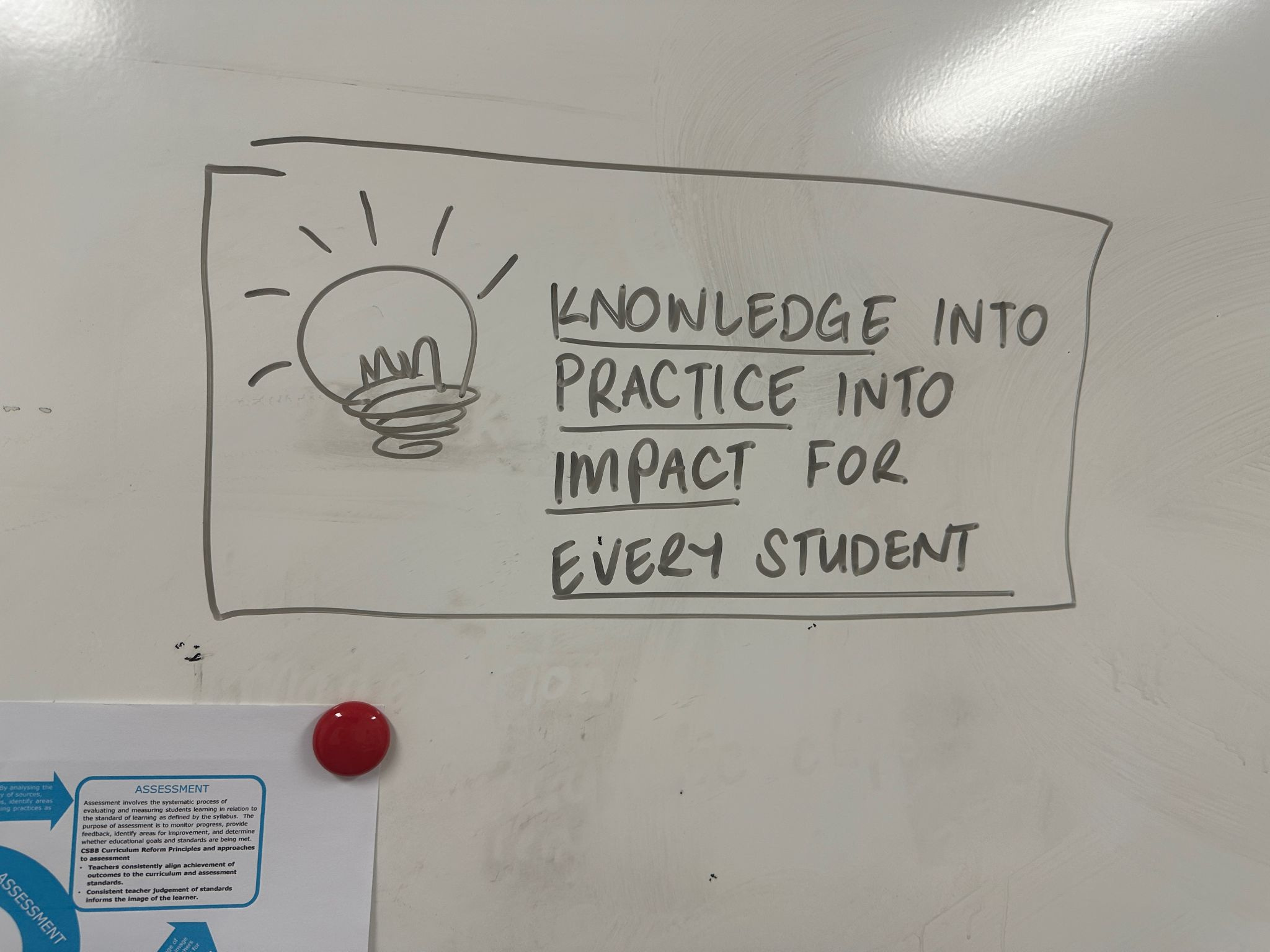
This was recently posted on my LinkedIn page and I have posted it here for those who subscribe to my blog.
I've been reflecting recently on the principles that underpin our work in understanding curriculum. This is particularly important to NSW educators as we take part in the first comprehensive reform of the school curriculum in three decades. I'm also in the position to be part of a team, who on the first two days back next term, will be co-facilitating a system wide delivery of curriculum reform material for my diocese.
Two excerpts from a recent purchase from Ruth Ashbee entitled, "Curriculum - Theory, Culture and the Subject Specialisms" have particularly resonated with me in this regard.
1) "Work on curriculum, is after all, work on knowledge, and just as the architect builds well with an understanding of her materials, so curriculum work is fed by an understanding of the knowledge being dealt with." This observation underscores the link between curriculum design and a deep comprehension of the subject matter itself.
2) "Curriculum is about knowledge structured over time, about doing things in classrooms to build meaning in students." This perspective emphasises the temporal and pedagogical dimensions of curriculum. It moves beyond the mere identification of content to consider its thoughtful organisation and the active construction of understanding within the learning environment.
The connection between these two points is significant. A robust understanding of the knowledge domain informs our decisions regarding its most effective structure and the pedagogical approaches that will best facilitate meaningful learning for our students. Our engagement with curriculum, therefore, necessitates not only a curatorial role with respect to content but also a profound intellectual engagement with the knowledge itself.
These quotes are useful provocations for deeper thought. And because it's school break, I've got some time to outline them.
The NSW curriculum reform, while aiming for positive change, presents several challenges when viewed through the lens of Ruth Ashbee's perspective.
Understanding the Knowledge Being Dealt With:
Challenge of breadth vs. depth: The reform aims to "de-clutter" the curriculum by reducing content and focusing on essential knowledge. However, ensuring teachers have a deep understanding of this essential knowledge across all learning areas, and not just a superficial awareness, requires significant professional development and ongoing support. If teachers lack a robust grasp of the 'materials' (knowledge), we may struggle to build a coherent and effective curriculum, as Ashbee warns.
Integrating disciplinary knowledge: Ashbee emphasises the importance of understanding the nature of knowledge within subject specialisms. The reform needs to ensure that while streamlining content, it doesn't dilute the unique structures and ways of knowing inherent in different disciplines (e.g., the historical method vs. the scientific method). Teachers need support to understand and teach this "disciplinary knowledge" effectively. As Primary teachers, and generalists, we need teachers and a strong cohort of middle who are willing to share their disciplinary knowledge so that we may build and strengthen our disciplinary knowledge.
Teacher expertise and specialisation: The reform may lead to our teachers needing to cover broader areas or adapt to new content. Ensuring teachers have sufficient expertise in the specific knowledge domains they are teaching is crucial. A lack of deep subject knowledge can hinder our ability to make informed curriculum decisions and build meaningful connections for our students.
Knowledge Structured Over Time and Building Meaning:
Sequencing and progression: Ashbee highlights that curriculum is about knowledge structured over time. A key challenge of the reform is to ensure that the reduced content is sequenced logically and builds progressively across year levels - this is perhaps a skill set that is missing. If the structure is weak or lacks clear progression, students may not develop a deep and connected understanding.
Moving beyond content coverage: The reform aims to move away from a crowded curriculum that encourages surface-level coverage. The challenge lies in supporting our teachers to design learning experiences that go beyond simply presenting information and instead focus on activities that help their students actively 'build meaning'. This requires pedagogical shifts and resources that may not be currently present.
Flexibility vs. coherence: While the reform aims for a clearer and more focused curriculum, there needs to be a balance between providing a coherent structure and allowing teachers the flexibility to adapt to our students' needs and contexts. Too much prescription might hinder our ability to create meaningful learning experiences tailored to our classrooms.
Assessment and meaning-making: The way student learning is assessed needs to align with the goal of building meaning. If assessment primarily focuses on rote memorisation of facts, it may undermine efforts to promote deeper understanding and the application of knowledge in meaningful ways.
In our own contexts, we are being faced with challenges in ensuring that:
Our teachers possess a deep and nuanced understanding of the essential knowledge within their teaching areas.
The reduced curriculum content is structured logically and promotes a clear progression of learning over time.
Teachers are equipped with the pedagogical knowledge and resources to move beyond content coverage and facilitate genuine meaning-making for students.
The assessment methods used align with the goal of fostering deep understanding and the ability to apply knowledge.
Addressing these challenges will be crucial to the successful implementation of the NSW curriculum reform and ensuring it aligns with Ashbee's insightful observations about the fundamental nature of curriculum work.
#curriculumdesign #knowledge #education #pedagogy #reflection #educationalleadership #teaching #learning #curriculumreform